Why Wool Rugs Are a Smart Choice for Living Rooms
A wool rug is one of the hardest-working pieces in a living room. It softens sound, adds warmth underfoot, and anchors furniture in a way that bare floors simply cannot. Wool fibers are naturally resilient, so a quality rug bounces back after foot traffic instead of crushing flat. They also resist dirt and hold dye beautifully, which is why wool rugs tend to look richer and more dimensional than synthetic alternatives.
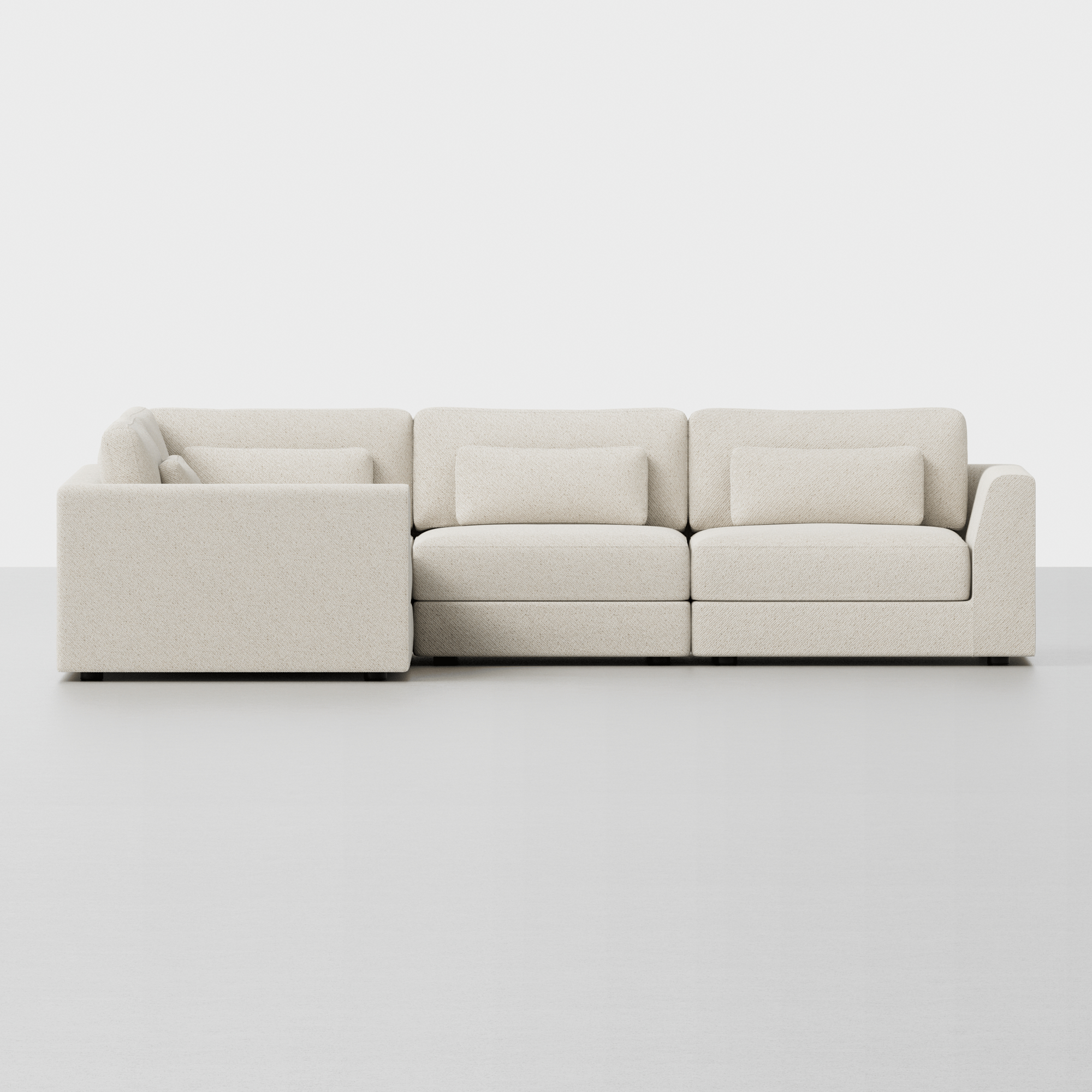
Beyond durability, wool brings a tactile quality that elevates a room. A flatweave wool rug feels crisp and tailored, while a ribbed wool rug adds quiet texture. If you are layering a rug beneath a sectional, the material matters as much as the color. Pair a wool rug with pieces like the Signature L Sectional and you get a grounded, comfortable seating zone that feels intentional rather than accidental.
Matching Rug Style to Your Space
The weave you choose shapes the entire mood of the room. Here is how the most common wool constructions compare.
Flatweave Wool Rugs
Flatweave rugs have no pile, so they lie low and work well under doors and in high-traffic areas. They are reversible, easy to vacuum, and ideal for a clean, modern look. Choose a flatweave when you want pattern and color to do the talking without adding height.
Ribbed Wool Rugs
A ribbed wool rug uses raised lines to create subtle shadow and depth. The texture reads as calm and architectural, which makes it a natural fit for minimalist living rooms. A ribbed rug pairs especially well with low-profile seating such as the Essential Armless Chaise, where the visual interest stays in the floor rather than the frame.
Marbled Wool Rugs
Marbled wool rugs blend two or more tones into soft, organic swirls. Because the pattern is irregular, it hides everyday wear and light footprints better than a solid rug. This is a forgiving choice for families and for rooms with lots of natural light.
Paneled and Graphic Wool Rugs
Panels, stripes, and geometric blocks give a wool rug a graphic edge. These designs work best in open-plan rooms where the rug needs to define a zone. If your space already has strong artwork, keep the rug quieter; if the walls are bare, a graphic wool rug can carry the room on its own.
Size and Placement Tips for Sofas, Sectionals, and Coffee Tables
Rug size is the most common mistake in living rooms. A rug that is too small makes even a large room feel disjointed. Use these guidelines as a starting point.
- Standard sofa: Choose a rug at least as wide as the sofa. Front legs should sit on the rug, with the back legs on the floor if space is tight.
- Sectional: A large sectional needs a rug that extends beyond the front edge of every seat. Measure the full footprint before ordering.
- Coffee table: Leave 18 to 24 inches of rug visible on all sides of the table so chairs and feet stay on the rug.
- Open-plan rooms: Let the rug define the seating area, not the whole room. A clear border of floor keeps the layout readable.
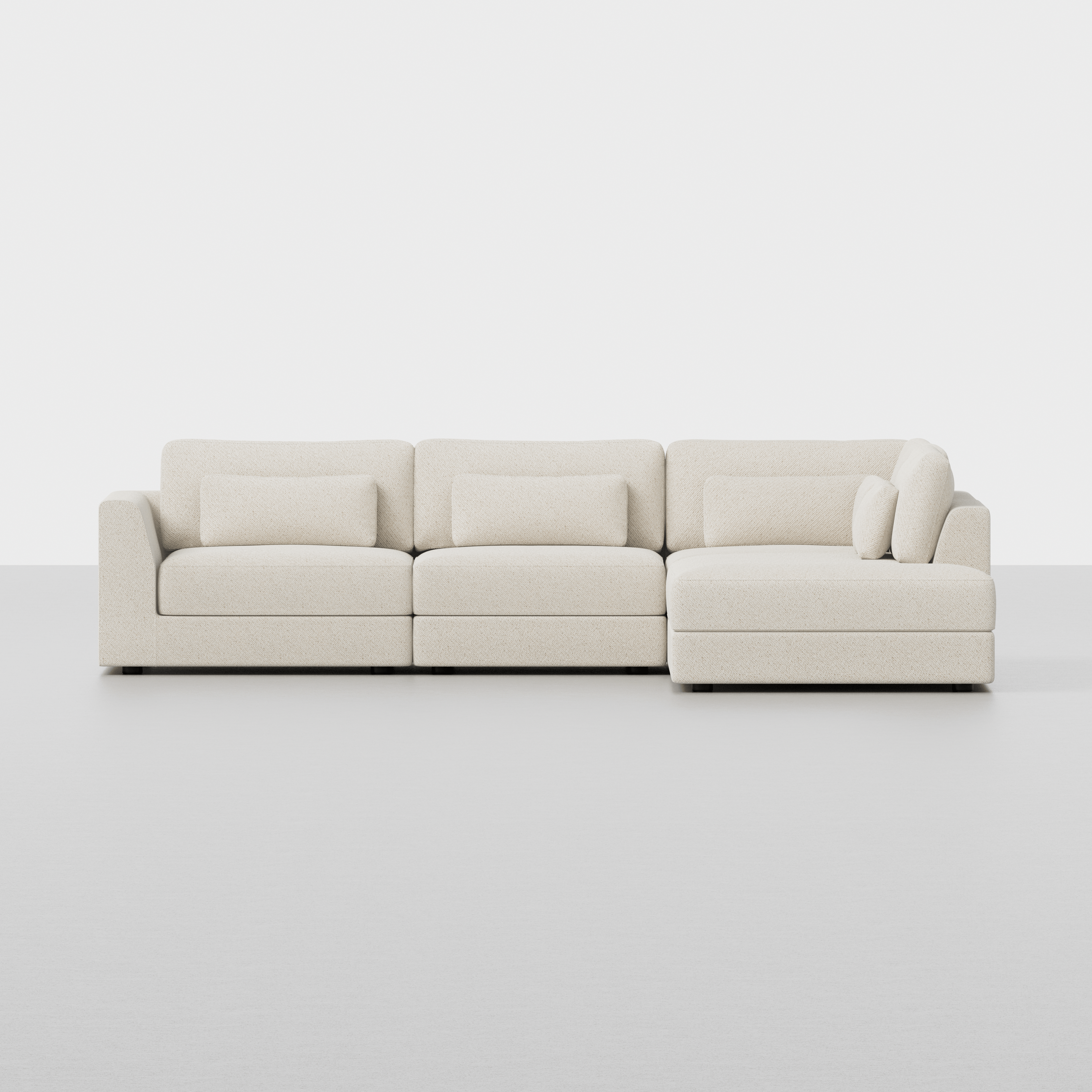
Before you commit, test the fit with painter's tape on the floor. It takes minutes and prevents a costly return. If you are building the seating area from scratch, start with the anchor piece, such as the Signature L Island Sectional, and size the rug to its footprint rather than the other way around.
Caring for Your Wool Rug
Wool is low-maintenance when you stay ahead of dirt. Vacuum weekly on a low setting without a beater bar, and rotate the rug every few months so traffic wear stays even. Blot spills immediately with a clean cloth rather than rubbing, and use a wool-safe cleaner for anything stubborn.
Add a quality rug pad to reduce slipping, extend the life of the fibers, and add cushioning. For seasonal storage or deep cleaning, roll the rug rather than folding it, and keep it away from damp basements. A little routine care keeps a wool rug looking new for years.
Coordinating with Throw Pillows, Felt Tops, and Fabric Swatches
A rug rarely lives alone. Once the base is set, layer in textiles that share its tone or texture. Felt accessories are a natural companion to wool because they echo the material without competing with it. A few Felt Bins near the sofa keep throws and magazines tidy, while a Midweight Terry Blanket adds softness that mirrors the rug's warmth.
If you are still deciding on a palette, order swatches before you buy. Italian Wool Felt Swatches let you compare tones in your own light, which is the only reliable way to judge how a color will read against your floors and walls. The same approach works when you are choosing a rug to sit near a bed or a Classic Daybed, where the rug and the frame should feel related rather than identical.
Finally, think about the room as a whole. A wool rug is the foundation, but the finishing layers, from lighting to small objects, determine how finished the space feels. Take your time, measure carefully, and choose a weave you will still enjoy years from now.